

Wedding Photography Berkshire Lighting Tips

Updated: Jan 20
Capturing the perfect wedding photo depends heavily on lighting. The right light can transform a simple moment into a breathtaking image full of emotion and beauty. Couples often focus on poses and locations but overlook how crucial lighting is to the final result. Understanding how natural and artificial light work, and how to use them effectively, can make all the difference in your wedding album.
This post explores the best lighting for wedding photos, focusing on natural light, ideal outdoor shooting times, and creative uses of artificial lighting like fairy lights and candles. You will learn how different lighting conditions shape the mood and quality of your photos and why clear communication with your photographer about lighting preferences is essential.
Why Natural Light Matters in Wedding Photography
Natural light is the most flattering and versatile light source for wedding photography. It creates soft, even tones that highlight skin textures and colors without harsh shadows. Photographers often prefer natural light because it brings out the true atmosphere of the day.
The Best Times for Outdoor Wedding Photos
The quality of natural light changes throughout the day. Knowing when to schedule your outdoor photo sessions can improve your images dramatically.
Golden Hour
This is the period shortly after sunrise or before sunset when the sun is low in the sky. The light is warm, soft, and diffused, creating a romantic glow that flatters every skin tone. Golden hour is ideal for portraits and couple shots because it adds depth and richness to colors without causing squinting or harsh shadows.
Overcast Days
Cloud cover acts like a giant softbox, diffusing sunlight evenly. This soft light reduces contrast and eliminates harsh shadows, making it easier to capture detailed, natural-looking photos. Overcast conditions are great for candid shots and group photos.
Midday Sun
Direct sunlight around noon can be challenging because it creates strong shadows and highlights. However, skilled photographers use reflectors or shaded areas to soften the light. If your wedding is during midday, plan for photos in shaded spots or indoors near large windows.
Using Artificial Lighting to Create a Romantic Atmosphere
Artificial lighting can add magic to your wedding photos, especially during evening or indoor shoots. Fairy lights and candles are popular choices that bring warmth and intimacy to your images.
Fairy Lights
String lights can be draped around trees, arches, or tables to create a sparkling backdrop. They add a whimsical, dreamy quality to photos and work well for close-up shots or wide-angle views of the venue.
Use warm white fairy lights for a cozy, inviting glow.
Position lights behind the couple for a beautiful bokeh effect.
Combine fairy lights with natural elements like flowers or greenery for a balanced look.
Candles
Candles provide soft, flickering light that enhances the romantic mood. They work well on tables, along pathways, or in lanterns.
Use unscented candles to avoid interfering with guests’ comfort.
Group candles of different heights for visual interest.
Be cautious with open flames near fabrics or decorations.

How Different Lighting Conditions Affect Mood and Photo Quality
Lighting sets the tone of your wedding photos. It influences how colors appear, how shadows fall, and how emotions are conveyed.
Soft Light
Soft light, like that during golden hour or on cloudy days, creates gentle shadows and smooth skin tones. It produces a calm, dreamy mood that suits romantic and intimate shots.
Harsh Light
Bright, direct sunlight can cause strong shadows and highlights. This can add drama and contrast but may also highlight imperfections or cause squinting. Harsh light works well for bold, artistic photos but requires careful positioning.
Backlighting
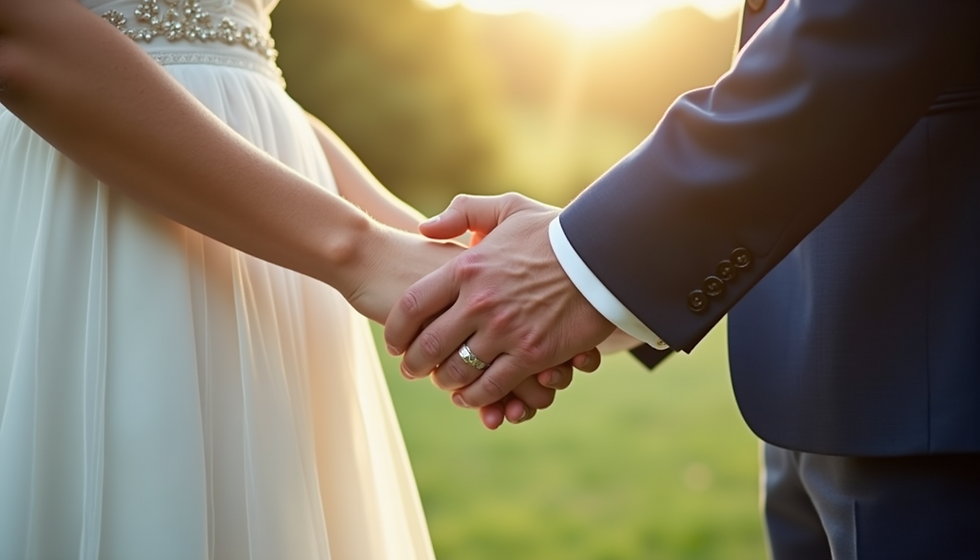
When the light source is behind the subject, it creates a glowing outline or halo effect. This technique adds a magical or ethereal quality to photos, especially during sunset or with fairy lights.
Low Light
Evening or indoor photos with low light rely on artificial sources. Low light can create cozy, intimate images but requires a photographer skilled in handling slower shutter speeds or using additional lighting equipment.
Tips for Communicating Your Lighting Preferences to Your Photographer
Your photographer’s expertise is vital, but sharing your lighting preferences ensures your vision comes to life.
Discuss your favorite lighting styles, such as soft natural light or warm candlelight.
Share examples of photos you love to help your photographer understand your taste.
Ask about the best times for outdoor photos based on your wedding schedule.
Talk about how you want artificial lighting used, including fairy lights or candles.
Be open to your photographer’s suggestions—they know how to adapt to changing light conditions.
Final Thoughts on Wedding Photography Lighting
Lighting shapes the story your wedding photos tell. Natural light offers flattering, timeless beauty, especially during golden hour or on overcast days. Artificial lighting like fairy lights and candles adds warmth and romance, perfect for evening celebrations. Different lighting conditions create unique moods, so understanding these effects helps you plan better photo sessions.

Comments